
How we handled cleaning in the silverfish war
Cleaning is an important part of getting rid of unwanted intruders. It is easier to keep track of the actual number of larvae when the locations are clear and the floor surfaces are clean.
Even though we had a professional to do the poisoning, it still requires a pretty active approach from yourself every single day. In this way, the real state of the living spaces can only be properly understood. The occurrence of long-tailed silverfish can also be monitored based on, for example, excrement. There may be faecal residue on the baseboards, sockets and even light switches. Feces are very small black dots, however, visible to the eye.

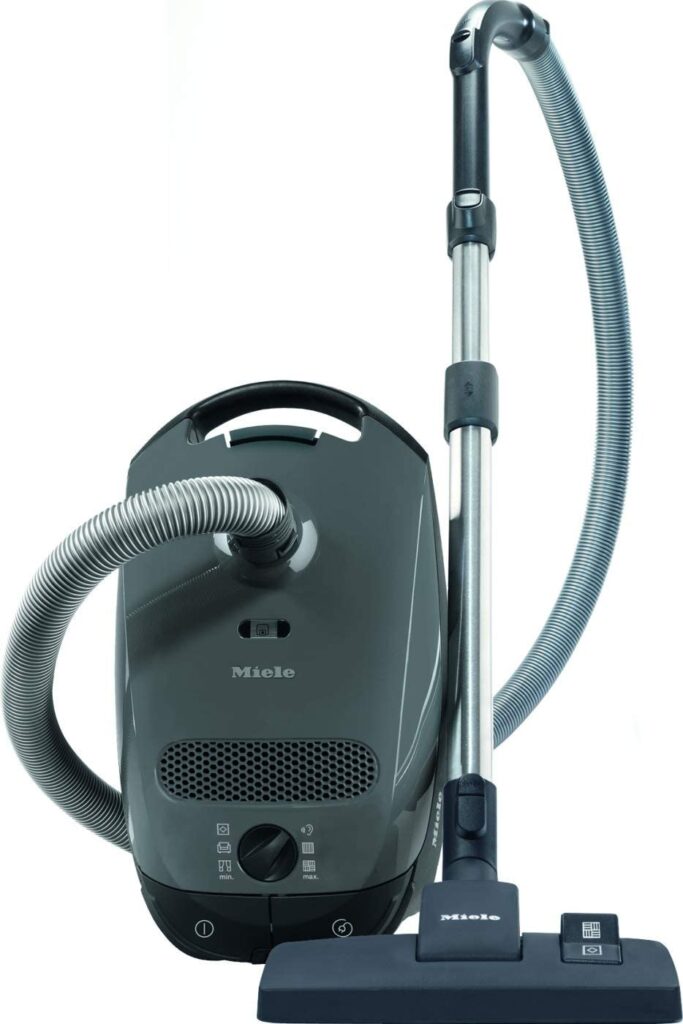
Before poisoning, it was a general instruction from the pest control that before poisoning, the apartment should be carefully vacuumed and the floors washed, so that the poison can reach a clean, dust-free surface and thus have a better effect.
In the beginning, we used quite a lot of chlorite for cleaning and sometimes we spilled a little in the drains, but the smell was so bad that we didn’t bother to repeat it many times. This has once worked well for silverfish. Chlorite and boiling water must not be used together! We also used boiling water in the drains for a while. We did this ritual in the mornings and evenings: first, pour boiling water into every drain in the house, and then a splash of vinegar. I don’t know if this was any help at the time. At the beginning, we weren’t sure where the larvae were coming from and we somehow thought that they would only come through the drains, but they enjoy living in the living room, for example, and actually in any corner of the apartment.
We vacuumed a lot in the beginning, even several times a week. We have a two-story detached house and approx. 172 m2, so there was plenty to clean. After each vacuuming, we threw the vacuum bag in the garbage, and this is because if live larvae end up in the vacuum bag, they might crawl back out. We did effective vacuuming a couple of times at the beginning, where we went through all the moldings etc. holes very carefully with the highest possible suction power and the narrowest nozzle, just in case we could catch any squirming larvae.
It felt like it took a lot of time to clean, but we tried to think about it, e.g. in terms of exercise. And while cleaning the apartment, I was constantly and properly blamed for the larvae. The baby long-tailed silverfish nymphs are very very small and inconspicuously colored. They are almost impossible to see standing, at least in the colors of our floor.

We kept all surfaces in the kitchen constantly spotless. In the evenings, we checked that there were no food crumbs or other edible things left on the floors during the night to attract long-tailed silverfish. We also always emptied the trash in the evening. The waste to be recycled was a headache, because we didn’t want to leave it in the house overnight either. We always took the cardboard and plastic waste to the car in the evening. As a result, we got a different kind of problem from it. Our new acquaintance, the forest mouse, apparently smelled the recyclables in the car and decided to look for food in both of our cars. However, the mouse’s adventures ended very briefly thanks to handy mouse traps.
I hunted all over the world for tips that could expel larvae from places where they are not wanted. I read somewhere that they don’t like the smell of lavender. So I went to buy lavender oil at a health food store and made a mixture in a spray bottle. There was half a liter of water and about 15-20 drops of lavender oil. I made such a solution that I could literally smell it. The lavender is quite a strong scent, but the scent dissipated surprisingly quickly after spraying. I sprayed the scent especially on the kitchen counters and some drawers. I also spayed the wardrobes just to be sure. Fortunately, I have never come across long-tailed silverfish there, but apparently long-tailed silverfish can also thrive in clothes if they find something to eat in them.
I also read somewhere that the smell of cedar repels pests quite effectively and the smell often pleases us humans. From online stores, you can get rolls and pieces made of cedar wood, which are convenient to put on a hanger or just on the bottom of cabinets. That lavender oil is also sold at some health food stores. We have also used lavender-scented garbage bags. We haven’t found a single long-tailed silverfish or any other insect in the garbage closet since we started using the lavender scented garbage bags. The pest control officer said that there can very often be larvae in the garbage closet, because they easily find food there.

I’ve also found Lemon and Lime-scented cleaning agents and those wonderfully easy cleaning cloths handy. These scents are also said to be of the kind that long-tailed silverfish don’t like. I would imagine that neither would its relative silverfish. We have used these measures and the situation continues to get better!